


The cabinet storage homeowners actually use every day is simple, reachable, and placed near the task it supports. Deep drawers, pullout trash, utensil drawers, tray dividers, pantry rollouts, and easy-access lower storage usually matter more than fancy specialty features.
At Cincinnati Cabinets, we design storage around real routines: cooking dinner, packing lunches, unloading groceries, making coffee, cleaning up, and putting dishes away. For homeowners comparing cabinet companies in Springfield, OH, the best cabinet layout is not the one with the most add-ons. It is the one that removes the small daily frustrations that happen over and over.
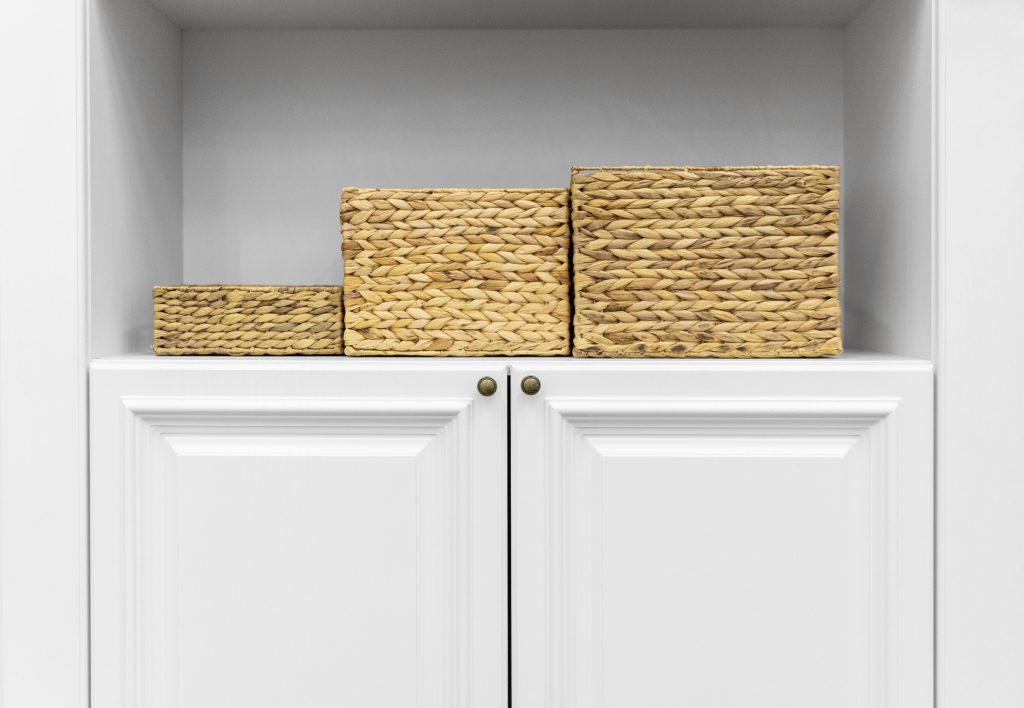
What cabinet storage gets used the most?
The cabinet storage used most often is storage located between the sink, range, refrigerator, dishwasher, and main prep area. If a cabinet is close to daily movement, it becomes valuable.
Most homeowners use cookware drawers, trash pullouts, utensil storage, dish drawers, and pantry zones every day. Storage far from the main work zones often becomes overflow space for items used only a few times a year.
| Storage Feature | Daily Use Level | Best Location |
|---|---|---|
| Deep drawers | Very high | Near range or prep zone |
| Pullout trash | Very high | Near sink or island |
| Utensil drawer | Very high | Near prep area |
| Dish drawers | High | Near dishwasher |
| Pantry rollouts | High | Near fridge or cooking zone |
| Tray dividers | Medium to high | Near oven or range |
| Appliance garage | Medium | Near outlet and prep zone |
| Glass display cabinets | Low to medium | Away from heavy-use storage |
Useful storage should be where your hands already go.
Are deep drawers better than lower cabinet doors?
Deep drawers are usually better than lower cabinet doors for everyday storage because they make items easier to see, reach, and lift. They are especially helpful for pots, pans, bowls, food containers, plates, and small appliances.
Traditional lower cabinets with doors can waste space because items get pushed to the back. People bend, dig, stack, and forget what they own. Deep drawers bring storage forward, which makes the same footprint work harder.
When homeowners ask cabinet companies in Springfield, OH about daily storage, we usually start with the lower cabinets. That is where the biggest improvement often happens.
Is a pullout trash cabinet worth it?
A pullout trash cabinet is worth it for most kitchens because trash and recycling are used constantly during food prep and cleanup. It keeps bins hidden and reduces extra steps.
The best location is near the sink, dishwasher, island, or main prep counter. A pullout trash cabinet across the room may look organized, but it will not feel convenient. Placement matters as much as the feature itself.
A double-bin pullout is useful for households that separate trash and recycling. It is one of the cabinet upgrades homeowners tend to use every single day.
What pantry storage actually works?
Pantry storage works best when food is visible, reachable, and grouped by use. Tall pantry cabinets, rollout shelves, deep drawers, and adjustable shelves are usually more practical than deep fixed shelves.
Deep pantry shelves can hide cans, snacks, spices, and backup items. Rollouts bring everything forward. Adjustable shelving also helps because cereal boxes, oils, baking supplies, and canned goods all need different heights.
| Pantry Option | Best For | Main Benefit |
|---|---|---|
| Tall pantry cabinet | Groceries and dry goods | High storage capacity |
| Rollout shelves | Cans, snacks, jars | Better visibility |
| Deep drawers | Kids’ snacks, containers | Easy access |
| Adjustable shelves | Mixed item heights | More flexibility |
| Narrow pullout | Spices or oils | Useful only in the right spot |
A pantry should make grocery unloading easier, not more complicated.
Are tray dividers used every day?
Tray dividers are used often by homeowners who cook or bake regularly. They are best for baking sheets, cutting boards, muffin pans, serving trays, cooling racks, and pot lids.
Without dividers, flat items get stacked into heavy piles. That makes the one item you need hard to pull out. A vertical divider keeps each piece upright and easier to grab.
Tray dividers work best near the oven, range, or prep zone. If they are placed too far away, they lose some of their value.
Do homeowners really use appliance storage?
Homeowners use appliance storage when it is placed near an outlet and close to the counter where the appliance is used. Coffee makers, mixers, air fryers, blenders, and toasters all need storage that matches real habits.
An appliance garage can be useful, but only if the door does not block the work area. A deep lower drawer may be better for heavier appliances. A tall cabinet with rollouts can work for items that do not need to stay plugged in.
The goal is not hiding every appliance. The goal is making the counter easier to clean while keeping daily tools easy to reach.
What storage can homeowners usually skip?
Homeowners can usually skip storage features that solve problems they do not actually have. A cabinet upgrade is only valuable when it supports a real routine.
A mixer lift is not necessary for someone who rarely bakes. A tiny spice pullout is not helpful if the bottles do not fit well. Too many open shelves can become dusty and cluttered. Glass doors look nice but do not add much daily storage value if the homeowner wants to hide everyday dishes.
Storage to question before paying for:
- Mixer lifts for occasional bakers
- Extra glass-front display doors
- Open shelves near greasy cooking areas
- Very narrow pullouts with limited capacity
- Over-customized drawer inserts
- Decorative storage that reduces usable space
The best storage is practical before it is impressive.
Why do plywood and birch matter for storage?
Plywood and birch matter because storage features depend on strong cabinet construction. Heavy drawers, pullouts, pantry systems, and countertop support need reliable cabinet boxes and fronts.
Plywood cabinet boxes are a practical choice for strength and daily use. Birch doors and drawer fronts can create a clean painted or stained finish. These materials matter more when a kitchen includes deep drawers, full-extension slides, pullout trash, and pantry rollouts.
Cincinnati Cabinets often recommends choosing the cabinet structure before choosing specialty accessories. Storage only works well when the cabinet itself is built to support it.
How do countertops affect everyday cabinet storage?
Countertops affect cabinet storage because the work happening on the surface should match the storage underneath. Granite, quartz, marble, and other countertop materials all create different daily-use zones.
A quartz island used for lunches and homework may need snack drawers, pullout trash, and utensil storage nearby. A granite cooking area may need deep cookware drawers close to the range. A marble baking zone may need tray dividers, mixing bowl storage, and easy access to baking tools.
| Countertop Material | Heat Resistance | Stain Resistance | Maintenance Level | Storage Planning Tip |
|---|---|---|---|---|
| Granite | High | Good when sealed | Moderate | Add cookware drawers near cooking zones |
| Quartz | Moderate | Very good | Low | Add prep storage and pullout trash |
| Marble | Good but sensitive | Moderate | Higher | Add baking and tool storage nearby |
| Quartzite | High | Good when sealed | Moderate | Plan strong storage below statement areas |
Countertop fabrication should be coordinated after cabinet installation. Sink cutouts, cooktop openings, overhangs, edge profiles, seams, and backsplashes all depend on accurate cabinet planning.

Should backsplash planning be part of storage design?
Backsplash planning should be part of storage design because the backsplash protects the areas where daily mess happens. The sink, range, coffee station, and prep zone all need surfaces that are easy to clean.
Tile, quartz, granite, marble, porcelain, ceramic, and slab backsplashes can all work depending on the kitchen. A simple backsplash behind a busy prep area may be more useful than a decorative feature in a low-use corner. The backsplash should support the way the cabinets and countertops are used.
Backsplash height, outlet placement, cabinet height, countertop thickness, and range location should be reviewed before final installation.
How much does practical cabinet storage cost?
Basic cabinetry can start around $300 per linear foot, but the final cost depends on layout, plywood construction, birch fronts, drawer count, hardware, pullouts, pantry storage, installation, countertop fabrication, and backsplash work. Storage-focused kitchens usually cost more than basic door-and-shelf layouts because they include more moving parts.
| Project Item | Typical Starting Range | What Affects Cost |
|---|---|---|
| Basic cabinetry | From about $300 per linear foot | Standard boxes and simple doors |
| Upgraded cabinetry | $450–$750+ per linear foot | Plywood, birch, better hardware |
| Storage-focused cabinetry | $700–$1,200+ per linear foot | Drawers, rollouts, dividers |
| Cabinet installation | $2,000–$6,000+ | Removal, leveling, trim, kitchen size |
| Countertop fabrication/install | $45–$100+ per sq. ft. | Granite, quartz, marble, sink cutouts |
Cincinnati Cabinets reviews the full storage plan before pricing because drawer count and accessories can change the budget quickly. For cabinet companies in Springfield, OH, a useful estimate should explain cabinet materials, storage features, installation, countertop coordination, backsplash planning, and timing.
How long does a storage-focused cabinet project take?
A storage-focused cabinet project usually takes about 3-5 weeks after approval, depending on measurements, material availability, finish selection, delivery, installation, countertop coordination, and backsplash work. More drawers and accessories should be confirmed before production begins.
The process starts with layout review and measurements. Then we confirm plywood construction, birch fronts, door style, drawer placement, pantry features, pullouts, hardware, countertops, and backsplash direction. After cabinet installation, countertops are templated and fabricated.
At Cincinnati Cabinets, we prefer finalizing storage before ordering because late changes can affect cabinet widths, drawer heights, and installation details. For cabinet companies in Springfield, OH, the 3-5 week timeline works best when the homeowner knows which storage features matter most before approval.
What mistakes should homeowners avoid?
The biggest mistake is adding storage features without deciding where they belong. A pullout trash cabinet in the wrong location is less useful than a basic cabinet in the right one.
Another mistake is spending too much on rare-use features and not enough on daily storage. Deep drawers, trash pullouts, pantry rollouts, and good hardware usually matter more than decorative extras. A practical kitchen should make the most common tasks easier first.
Before approving cabinet storage, review:
- Cooking habits
- Grocery storage
- Trash and recycling location
- Pot and pan access
- Dish storage
- Kids’ snack access
- Coffee station needs
- Appliance storage
- Drawer and door clearances
- Countertop work zones
- Backsplash cleanup areas
- Project timeline
Every cabinet should have a job before it is built.
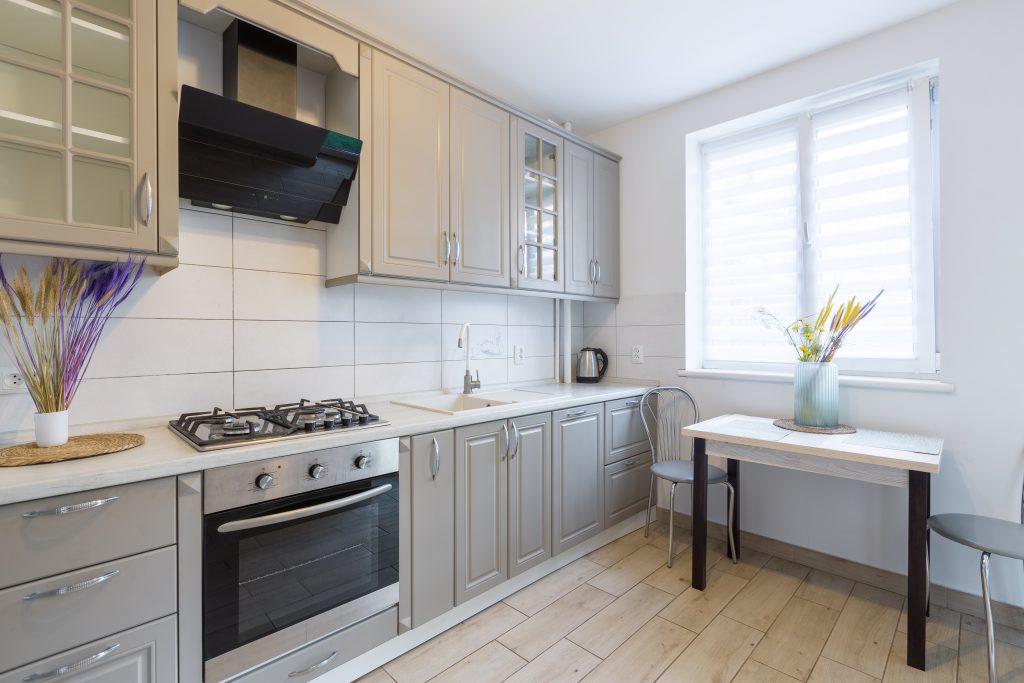
FAQ: Cabinet storage homeowners use every day
What cabinet storage is most useful?
Deep drawers, pullout trash, pantry rollouts, utensil drawers, tray dividers, and full-extension slides are usually the most useful.
Are deep drawers worth it?
Yes. Deep drawers make pots, pans, dishes, bowls, and containers easier to see, lift, and organize.
Is pullout trash worth the money?
Yes. Pullout trash is one of the most used cabinet features when placed near the sink, dishwasher, island, or prep area.
Are pantry rollouts better than shelves?
Pantry rollouts are often better for deep cabinets because they bring food forward and make items easier to see.
Are plywood cabinets worth it?
Yes. Plywood cabinet boxes are worth considering because they support drawers, pullouts, storage weight, countertops, and daily use.
How much does cabinetry start at?
Basic cabinetry can start around $300 per linear foot. Final pricing depends on layout, materials, drawers, accessories, installation, countertops, and backsplashes.
How long does a cabinet project take?
Many cabinet projects take about 3-5 weeks after approval, depending on materials, storage features, delivery, installation, countertop fabrication, and backsplash work.
What should I ask cabinet companies in Springfield, OH?
Ask about deep drawers, pullout trash, pantry rollouts, plywood construction, birch fronts, hardware, installation, countertop fabrication, backsplash planning, pricing, and timing.
Cincinnati Cabinets is located near Cincinnati, OH and serves nearby communities, including Springfield, OH. We help homeowners compare cabinet companies in Springfield, OH, plan practical storage, choose plywood and birch cabinet construction, coordinate installation, handle countertop fabrication, and match cabinets with granite, quartz, marble, and backsplashes. Our team focuses on storage homeowners actually use every day, not features that only look good on a design list.