

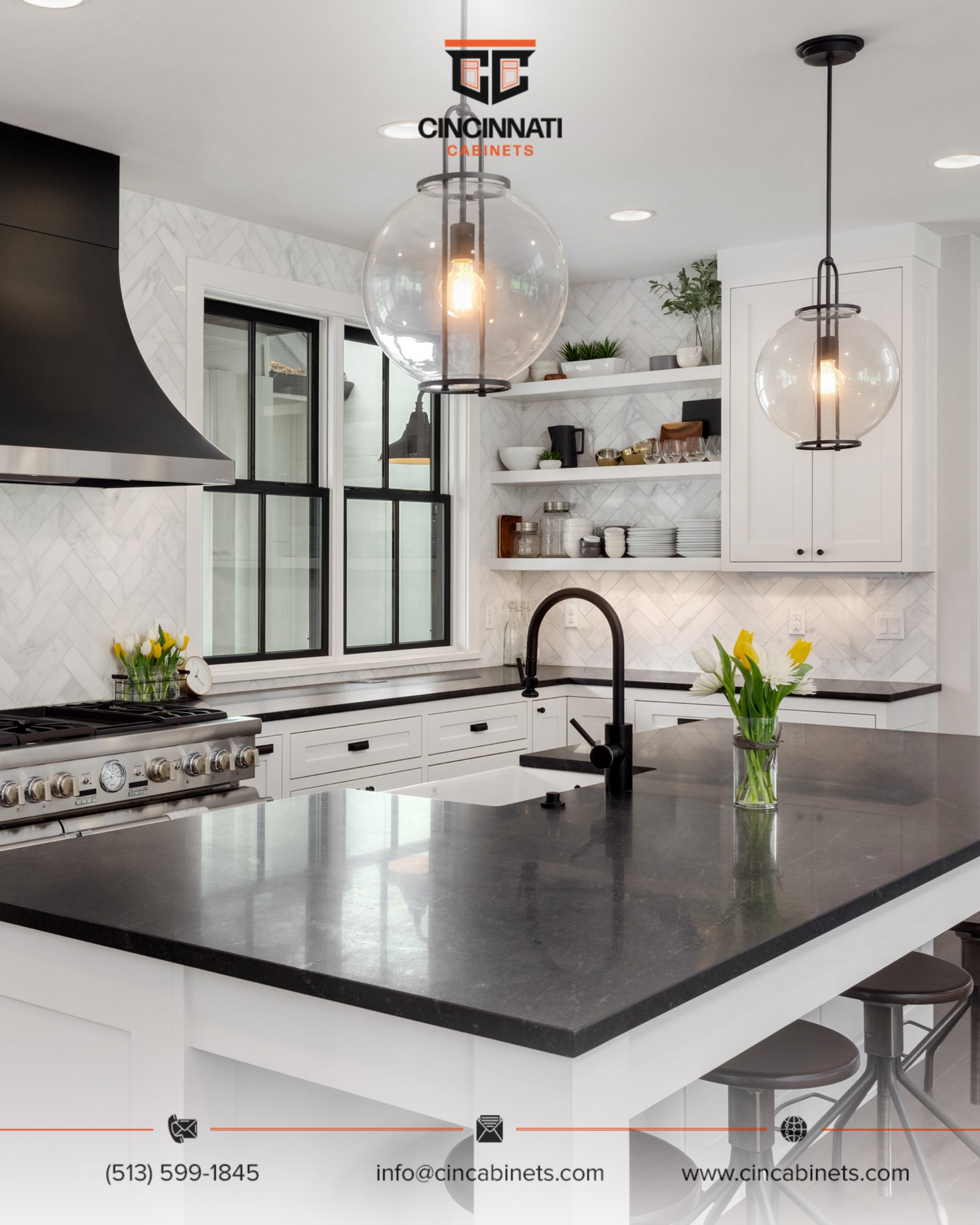
A built-in pantry is worth adding when homeowners need more organized food storage, better visibility, and easier access, while standard cabinets work better for kitchens with limited space or simpler storage needs. The right choice depends on how you cook, how much food you store, and how efficiently you want your kitchen to function.
At Cincinnati Cabinets, we help homeowners look beyond appearance and think about daily routines. A pantry may look like a small design choice, but it can change how often you search for ingredients, where you store appliances, and how quickly you can clean up after cooking. When homeowners compare cabinet installers in Springfield, OH, we usually start with how the kitchen is used before discussing cabinet styles.
Is a built-in pantry better than standard cabinets?
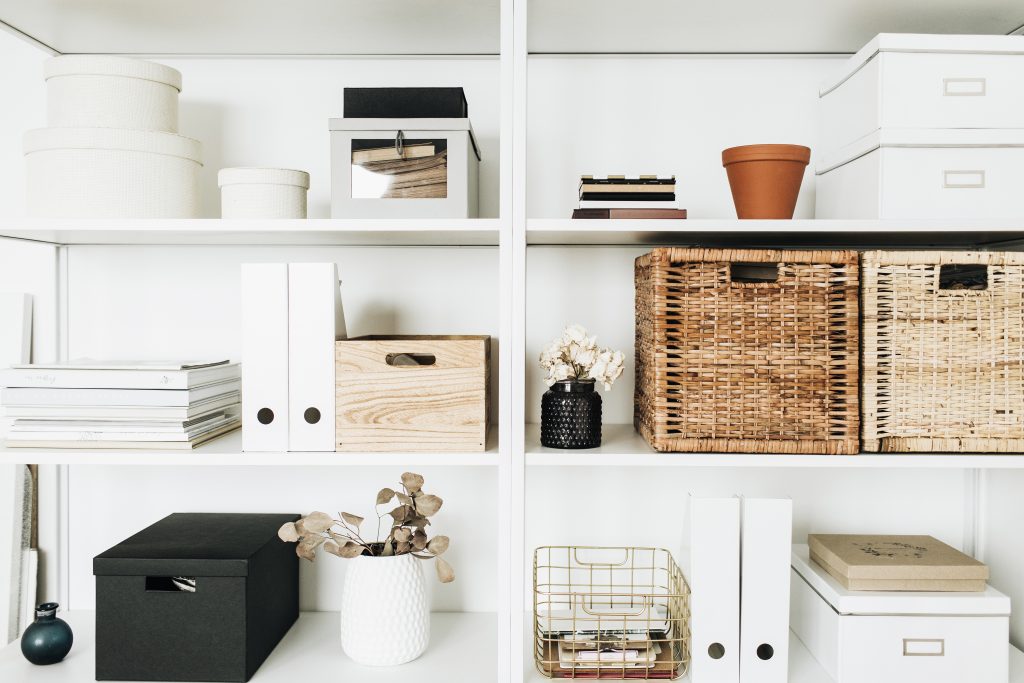
A built-in pantry is usually better for homeowners who need dedicated food storage and want everything visible in one place. It creates a specific zone for dry goods, snacks, baking supplies, and household items.
Standard cabinets can still work well, especially when they include deep drawers, adjustable shelves, or pullout organizers. The difference is that a pantry cabinet is designed specifically for storage volume, while regular cabinets often have to serve multiple purposes.
| Storage Option | Best For | Main Advantage | Possible Limitation |
|---|---|---|---|
| Built-in pantry | Large grocery storage | Holds many items in one zone | Requires dedicated space |
| Standard cabinets | Smaller kitchens | Flexible placement | Can become cluttered |
| Pantry rollouts | Existing cabinet upgrades | Easier access | Less storage capacity |
| Deep drawers | Pots, containers, food items | Better visibility | Limited height |
The best choice depends on whether you need more storage space or better organization.
What are the benefits of a built-in pantry?
A built-in pantry gives homeowners more organized storage because shelves, doors, and cabinet dimensions are designed around food storage needs. It reduces the problem of forgotten items sitting at the back of deep cabinets.
Many families use pantry cabinets for:
- Cereal and snacks
- Baking supplies
- Canned goods
- Coffee and tea storage
- Small kitchen appliances
- Pet food
- Paper products
A tall pantry cabinet can also reduce countertop clutter. Instead of leaving mixers, air fryers, or extra supplies visible, homeowners can create dedicated storage zones.
At Cincinnati Cabinets, we often recommend pantry solutions when homeowners tell us their biggest frustration is not a lack of cabinets, but cabinets that are difficult to organize. For cabinet installers in Springfield, OH, planning storage around real habits usually creates a kitchen that feels larger.
Are standard cabinets enough for most kitchens?
Standard cabinets are enough when the kitchen layout already provides good storage and homeowners do not need a large food-storage area. Many kitchens function perfectly with a combination of upper cabinets, lower cabinets, and drawers.
The key is using the available space efficiently. A standard cabinet with adjustable shelves may work better than a poorly planned pantry in a small kitchen.
Lower cabinets are especially important. Deep drawers can store cookware, containers, and appliances more effectively than traditional shelves because everything is easier to see and reach.
| Cabinet Feature | Everyday Use | Storage Benefit |
|---|---|---|
| Deep drawers | Very high | Easy access to heavy items |
| Adjustable shelves | High | Flexible storage heights |
| Pullout shelves | High | Brings items forward |
| Corner solutions | Medium | Uses difficult spaces |
| Tall pantry cabinet | Very high | Dedicated food storage |
Good cabinet design often matters more than adding more cabinets.
Does a pantry take up too much kitchen space?
A pantry does not always take up too much space, but it must be planned carefully. A large pantry cabinet can improve storage, but a poorly placed one can make a kitchen feel crowded.
In smaller kitchens, we often look at unused wall areas, narrow spaces, or areas near refrigerators where pantry storage can fit naturally. A 12-inch or 18-inch pullout pantry may provide useful organization without changing the entire layout.
The goal is balance. Storage should improve movement, not interrupt it.
Should I choose pantry cabinets with pullouts?
Pantry pullouts are a smart choice for homeowners who want easier access to deep storage. They allow shelves to slide forward, making items at the back visible.
Traditional deep shelves often create wasted space because homeowners stack items and forget what is behind them. Pullouts solve that problem by bringing everything closer.
They work especially well for:
- Spices
- Oils
- Canned foods
- Baking supplies
- Small containers
However, pullouts are not always necessary. If a homeowner already has enough accessible storage, standard shelves may be the better value.
How do cabinet materials affect pantry durability?
Cabinet materials affect pantry durability because storage systems are opened and loaded every day. Strong construction becomes more important when cabinets hold heavy food items, appliances, and cookware.
Plywood cabinet boxes are commonly chosen for durability because they provide a strong structure for shelves, drawers, and hardware. Birch cabinet doors and drawer fronts can provide a clean appearance with options for painted or stained finishes.
At Cincinnati Cabinets, we focus on the cabinet structure first because storage features only work well when the cabinet itself can support daily use. For cabinet installers in Springfield, OH, quality construction is an important part of long-term performance.
How do countertops and backsplashes fit into pantry planning?
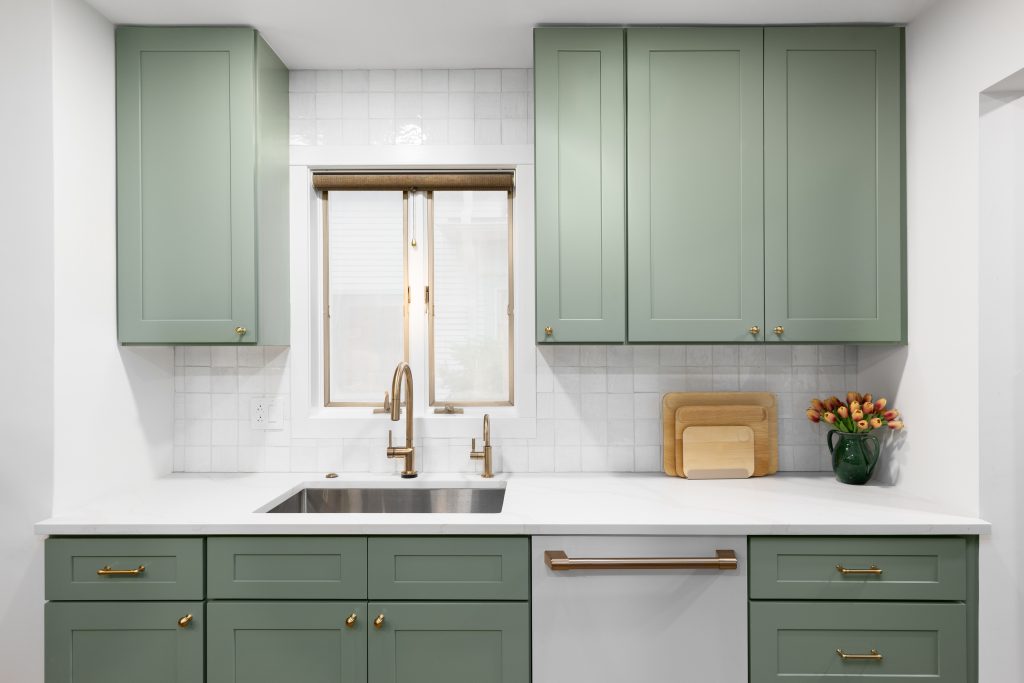
Countertops and backsplashes should be considered together with cabinet storage because the kitchen works as one system. A pantry near a coffee station, prep area, or island can make daily routines easier.
Granite, quartz, marble, and quartzite countertops each create different design opportunities. Quartz is popular for busy kitchens because it requires less maintenance. Granite provides a durable natural stone option. Marble can create a classic baking area but requires more care.
| Countertop Material | Maintenance | Best Kitchen Use |
|---|---|---|
| Quartz | Low | Busy prep areas |
| Granite | Moderate | Cooking zones and islands |
| Marble | Higher | Baking-focused spaces |
| Quartzite | Moderate | Statement surfaces |
Backsplashes also matter near pantry and prep areas. Tile, porcelain, ceramic, marble, quartz, or slab backsplashes can protect walls while connecting the cabinet design with the countertop.
How much does a pantry cabinet cost?
A pantry cabinet project can vary depending on size, materials, accessories, and installation requirements. Basic cabinetry often starts around $300 per linear foot, but pantry systems with pullouts, upgraded hardware, plywood construction, and custom features can increase the total cost.
| Project Component | Starting Consideration | Factors That Change Cost |
|---|---|---|
| Basic cabinetry | Around $300 per linear foot | Cabinet style and materials |
| Custom pantry | Higher than standard cabinets | Size and accessories |
| Pullout systems | Additional upgrade | Hardware quality |
| Cabinet installation | Depends on project size | Removal and modifications |
| Countertop work | Material dependent | Granite, quartz, marble, fabrication |
When we prepare estimates, we consider the entire kitchen plan instead of pricing one cabinet feature separately. Cabinet installers in Springfield, OH should help homeowners understand what they are paying for, including materials, installation, hardware, and storage solutions.
How long does a pantry cabinet installation take?
A cabinet project with a built-in pantry usually takes about 3-5 weeks after design approval, depending on cabinet production, material availability, delivery, installation, and countertop coordination.
The process usually includes:
- Measuring the kitchen space
- Reviewing storage needs
- Selecting cabinet materials and finishes
- Confirming pantry layout
- Installing cabinets
- Coordinating countertop fabrication
- Completing backsplash details
A pantry addition should be planned early because changing cabinet dimensions later can affect countertops, appliances, and overall kitchen flow.
What mistakes should homeowners avoid when adding a pantry?
The biggest mistake is adding pantry storage without considering how the kitchen is used. A pantry that is far from the refrigerator or prep area may not provide the convenience homeowners expect.
Another mistake is creating storage that is too deep. More space does not always mean better organization. Visibility and accessibility matter.
Before choosing a pantry, homeowners should consider:
- How often they cook
- Grocery shopping habits
- Appliance storage needs
- Available wall space
- Refrigerator location
- Countertop workspace
- Family size
- Future needs
A well-planned pantry should make everyday tasks easier.

FAQ: Built-In Pantry vs Standard Cabinets
Is a built-in pantry better than cabinets?
A built-in pantry is better for homeowners who need dedicated food storage, while standard cabinets may work better for smaller kitchens.
Does a pantry increase kitchen value?
A functional pantry can improve kitchen usability and appeal, especially when it provides organized storage.
Are pantry pullouts worth the cost?
Yes, pantry pullouts are useful because they improve visibility and make deep storage easier to access.
How much do cabinets cost?
Basic cabinetry can start around $300 per linear foot, with final pricing depending on materials, layout, hardware, and installation.
Are plywood cabinets better for pantry storage?
Plywood cabinets are often a good choice because they provide strong support for shelves, drawers, and storage systems.
How long does cabinet installation take?
Many projects take about 3-5 weeks after approval, depending on materials, production, delivery, and installation.
Should I add a pantry during a kitchen remodel?
Adding a pantry during a remodel is often easier because cabinet layout, countertops, and appliances can be planned together.
Cincinnati Cabinets serves homeowners in Cincinnati, OH and surrounding areas, including Springfield, OH. We help homeowners design practical kitchens with custom cabinetry, pantry solutions, cabinet installation, countertop coordination, granite, quartz, marble, and backsplash planning. Our goal is to create storage that fits real daily routines, whether that means a built-in pantry or a smarter standard cabinet layout.