

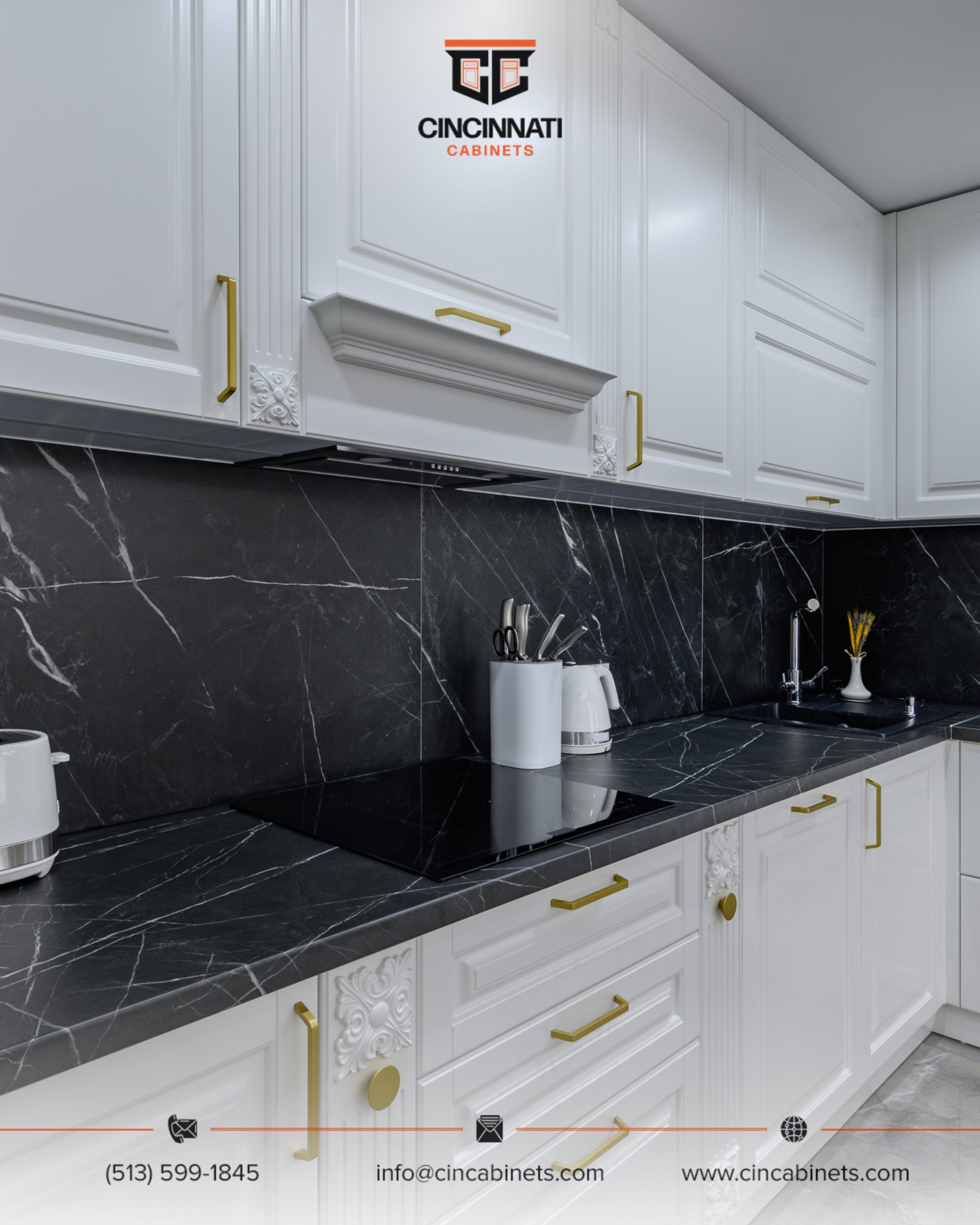
Kitchen drawers are becoming a more popular alternative to traditional lower cabinet doors because they make everyday storage easier to reach, organize, and use. Instead of kneeling down and reaching into a deep cabinet, homeowners can pull out a drawer and see most of the contents immediately.
We are seeing this preference more often in kitchen planning because homeowners are paying closer attention to how storage works in real life, not just how the cabinets look. For families in Batavia and the surrounding Cincinnati area, drawer bases can be especially useful for cookware, dishes, food containers, and other items that are used every day.
At Cincinnati Cabinets, we help homeowners compare different cabinet configurations before installation so the storage plan fits the way they actually cook. A drawer-heavy kitchen is not automatically better, but in the right layout, it can make a noticeable difference.
Why are kitchen drawers replacing lower cabinets?
Kitchen drawers are replacing some lower cabinets because they provide easier access to stored items and make deep cabinet space more usable. A standard lower cabinet can hold a large amount of cookware, but items toward the back are often difficult to reach without moving everything in front.
Drawers change that experience. When the drawer extends toward the homeowner, the entire storage area becomes easier to see and access.
This is particularly useful for heavier items. Instead of lifting a cast-iron pan from a low shelf, we can place it in a deep drawer that opens fully and supports the weight.
For homeowners considering a custom cabinet company in Batavia, OH, this is one of the most practical questions to discuss during the design stage: not simply how much storage the kitchen has, but how easily that storage can be used.
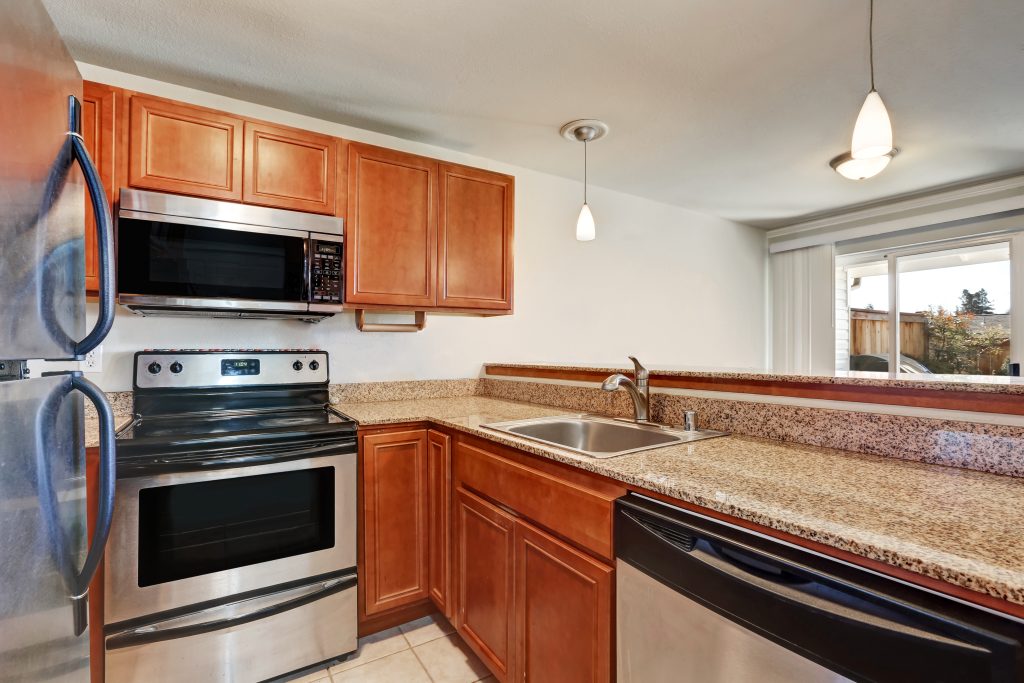
Are drawers better than lower cabinets for everyday kitchen storage?
Drawers are often better for frequently used items, while traditional lower cabinets can still be more practical for certain large or awkward objects. The best kitchens usually combine both rather than replacing every lower cabinet with drawers.
Deep drawers work particularly well for:
- Pots and pans
- Mixing bowls
- Food storage containers
- Plates and serving dishes
- Small appliances
- Cooking utensils
- Kitchen towels
- Baking equipment
Lower cabinets with doors still have advantages. They can accommodate tall items, plumbing beneath sinks, trash pull-outs, large appliances, and irregularly shaped storage.
We typically recommend deciding based on the contents first. If we know what the homeowner needs to store, we can design the cabinet configuration around those objects instead of filling the kitchen with identical cabinet boxes.
Why are deep drawers useful for pots and pans?
Deep drawers make cookware easier to organize because each item can be accessed from above rather than pulled out from the front of a cabinet shelf. This can eliminate the familiar problem of stacking several pans together and having to remove half the stack to reach one underneath.
A wide drawer can also create zones for different types of cookware. One drawer might hold frying pans and saucepans, while another stores Dutch ovens, baking dishes, or mixing bowls.
Drawer dimensions matter, though. A drawer that is too shallow will not accommodate larger cookware, while an extremely wide drawer may become heavy when fully loaded.
When we design kitchens, we consider drawer width, depth, hardware capacity, and the weight of the items being stored.
Do kitchen drawers cost more than lower cabinets?
Drawers can cost more than basic lower cabinet doors because they require additional hardware, drawer boxes, and construction components. However, the difference should be evaluated as part of the entire cabinet package rather than by comparing one drawer with one door.
A useful planning figure for cabinetry is around $300 per linear foot for certain cabinet projects, although actual pricing varies significantly based on materials, construction, layout, finishes, hardware, and installation requirements.
| Cabinet Configuration | Main Advantage | Cost Consideration |
|---|---|---|
| Standard lower cabinet | Flexible general storage | Usually simpler construction |
| Drawer base | Easy access and organization | More hardware and drawer components |
| Deep drawer | Excellent for cookware | Requires stronger hardware |
| Pull-out cabinet | Useful for narrow spaces | Additional mechanisms |
| Custom storage | Designed around specific needs | Higher design and fabrication cost |
These figures are planning references rather than guaranteed project prices. At Cincinnati Cabinets, we look at the entire kitchen layout, cabinet materials, storage requirements, and installation scope before determining the actual project cost.
Are drawers a good choice for small kitchens?
Yes, drawers can be particularly useful in small kitchens because they make the available storage easier to access. When every cabinet matters, losing usable space behind deep shelves can be frustrating.
A drawer also allows homeowners to organize items in a single horizontal layer or several clearly defined zones. That can reduce the need to stack objects vertically.
However, small kitchens still need variety. We may use drawers below a countertop, a narrow pull-out for oils and spices, a sink cabinet for plumbing, and conventional doors where larger equipment needs to be stored.
The goal is not to maximize the number of drawers. It is to make every cabinet perform a specific job.
What materials work well for drawer cabinets?
Birch and plywood are both commonly considered when homeowners want durable cabinet construction, but the exact material choice depends on the cabinet line and construction method. Plywood is often selected for cabinet boxes because of its strength and dimensional stability, while birch can be used in cabinet components and drawer construction.
The drawer hardware is equally important. A high-quality drawer box paired with weak or undersized slides can still create problems when the drawer is loaded with cookware.
For a custom cabinet company in Batavia, OH, material selection should therefore include more than the visible door finish. We recommend discussing the box construction, drawer material, slides, hinges, and hardware as one system.
How do drawers work with quartz, granite, or marble countertops?
Drawers work with virtually any countertop material, but the cabinet layout needs to be planned before countertop fabrication. Granite, quartz, and marble are heavy surfaces, so the cabinets beneath them need appropriate support and must be properly leveled.
This matters particularly around wide drawer bases and large islands. The cabinet structure has to support the countertop while allowing the drawers to operate without interference.
Backsplashes, sink locations, and countertop overhangs should also be considered during the cabinet design. We coordinate these details before installation so that the cabinetry and countertop work together instead of being treated as separate projects.
Are lower cabinets becoming all drawers?
No, most practical kitchen designs still use a combination of drawers, doors, and specialized storage. Some spaces simply work better with traditional doors.
For example, the cabinet below a sink typically needs to accommodate plumbing and may benefit from doors or a specialized drawer configuration. Corner cabinets can also require different solutions because their geometry limits standard drawer access.
We usually recommend drawers where homeowners frequently reach for stored items and doors where the cabinet needs to accommodate unusual dimensions or equipment.
How does a drawer-heavy kitchen affect cabinet installation?
A drawer-heavy kitchen can require more detailed installation because each drawer needs to operate correctly within the cabinet run. Cabinets must be level, aligned, and properly secured so drawer fronts maintain consistent spacing.
The installation process also has to account for flooring, wall conditions, countertop support, appliances, and adjacent cabinets. Small alignment problems can become obvious when several drawer fronts sit next to one another.
At Cincinnati Cabinets, we treat installation as part of the cabinet design process rather than something that happens after all design decisions have been made.

How long does a kitchen cabinet project take?
A cabinet project can take approximately 3-5 weeks depending on the cabinet selection, design complexity, material availability, fabrication, and installation schedule. Custom configurations can require additional planning compared with straightforward stock cabinet installations.
A typical project may include:
- Measuring the kitchen.
- Planning the cabinet layout.
- Selecting door styles and materials.
- Choosing drawers and storage accessories.
- Finalizing countertop and backsplash requirements.
- Ordering or fabricating the cabinets.
- Preparing the kitchen for installation.
- Installing and adjusting the cabinets.
- Completing hardware and final alignment.
The timeline should be confirmed before ordering because custom components and specialty hardware can affect the schedule.
What should homeowners consider before choosing more drawers?
Homeowners should think about what they store, how often they use it, and how much weight each drawer will carry. A drawer configuration should solve a storage problem, not simply follow a design trend.
Before choosing a drawer-heavy layout, we recommend considering:
- Which items need the easiest access?
- How heavy are the stored items?
- How wide should each drawer be?
- Are there enough deep drawers for cookware?
- Where will plumbing and appliances go?
- Which areas still need cabinet doors?
- Will the cabinet layout work with the countertop?
This approach is especially useful when planning cabinetry in a busy family kitchen.
Do drawers make a kitchen easier to organize?
Yes, drawers can make organization easier because they bring stored items forward and allow homeowners to divide storage into clearly defined zones. The improvement is most noticeable when drawer dimensions are matched to the objects being stored.
For example, a shallow drawer can hold utensils, a medium-height drawer can hold plates or containers, and a deep drawer can accommodate pots and pans.
That kind of planning is more effective than simply adding as many drawers as possible. Good cabinet design starts with the homeowner’s routine.
Are kitchen drawers just a trend?
No, the growing use of drawers reflects a practical change in how homeowners want to use lower storage. Design preferences can change, but easier access, better visibility, and improved organization are functional advantages that are likely to remain useful.
That does not mean traditional lower cabinets are outdated. Doors remain valuable for sinks, corners, tall objects, and storage areas where drawer construction would not provide a meaningful benefit.
When we design a kitchen in Batavia, OH, we focus on combining both approaches so the finished space works efficiently rather than following a single cabinet trend.
What is the best drawer layout for a kitchen?
The best drawer layout depends on the kitchen size, cooking habits, appliances, and items being stored. A family that cooks every day may benefit from several deep drawer bases, while a homeowner who entertains frequently may prioritize wide drawers for serving pieces and dishes.
A balanced layout might include:
- Shallow drawers near the main prep area
- Deep drawers for pots and pans
- Medium drawers for dishes and containers
- A pull-out for oils and spices
- Traditional doors around plumbing
- Specialized storage for trash and recycling
For homeowners researching a custom cabinet company in Batavia, OH, the most useful starting point is not a picture of a kitchen they like. It is a list of what they need to store and how they move through the kitchen.

FAQ: Kitchen Drawers and Lower Cabinets
Are kitchen drawers more expensive than cabinet doors?
Usually, drawer bases cost more than basic door cabinets because they require drawer boxes and additional hardware. The overall difference depends on the cabinet construction and hardware selected.
Are deep drawers strong enough for cast-iron cookware?
Yes, when they use properly rated drawer boxes and slides. Heavy cookware should be placed in drawers specifically designed to handle the expected load.
Should every lower cabinet be a drawer?
No. Sinks, corners, plumbing areas, and some large or irregular storage spaces may work better with doors or specialized pull-outs.
Are plywood cabinets good for drawer bases?
Plywood can be a durable option for cabinet construction, but overall quality also depends on the drawer box, slides, joinery, and installation.
How much do kitchen cabinets cost?
Pricing varies by design and materials. A planning reference for some cabinetry projects is around $300 per linear foot, but the final cost depends on the complete scope.
How long does cabinet installation take?
The overall project may take approximately 3-5 weeks when design, ordering, fabrication, and installation are included. The installation portion itself can be shorter depending on kitchen size and complexity.
Do drawers work with granite countertops?
Yes. Properly constructed and installed drawer bases can support granite countertops when the cabinet system is designed for the weight and properly leveled.
Cabinet Design and Installation in Cincinnati, OH
Cincinnati Cabinets serves homeowners in Cincinnati, OH and surrounding communities, including Batavia, OH. We provide cabinet design, fabrication, installation, and storage solutions using materials and configurations selected around the needs of each kitchen.
At Cincinnati Cabinets, we can help homeowners decide where drawers make the most sense, where traditional cabinet doors remain practical, and how the entire layout should coordinate with countertops, backsplashes, appliances, and everyday storage. For homeowners comparing options with a custom cabinet company in Batavia, OH, thoughtful planning before fabrication can make the finished kitchen substantially easier to use.