


You can add more kitchen storage without expanding the room by using taller cabinets, deeper drawers, pullouts, pantry inserts, corner systems, and better cabinet zoning. The goal is not to fill every inch with more boxes. The goal is to make the existing space work harder.
At Cincinnati Cabinets, we often start by asking what is living on the countertop right now. If small appliances, snacks, pans, mail, or cleaning products have no clear home, the kitchen probably does not need more square footage. It needs smarter storage. For homeowners planning custom cabinetry in Beavercreek, OH, the best storage gains usually come from redesigning the inside of the kitchen, not moving the walls.
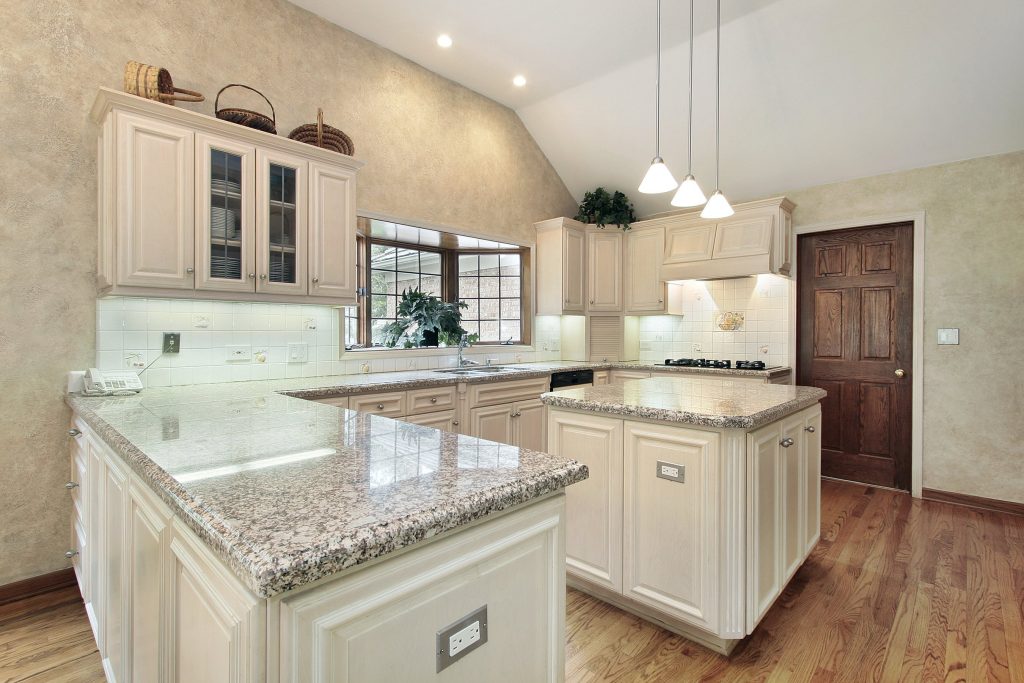
Can taller cabinets add more storage?
Yes, taller cabinets can add useful storage by taking advantage of vertical space that is often wasted. Cabinets that go closer to the ceiling can hold seasonal dishes, serving trays, extra glassware, small appliances, and items used only a few times a year.
This works especially well in kitchens with 8-foot or 9-foot ceilings. A short upper cabinet with a dusty gap above it does not do much for daily function. A taller upper cabinet or stacked cabinet design can make the kitchen feel cleaner and more complete.
| Ceiling Situation | Storage Option | Best Use |
|---|---|---|
| 8-foot ceiling | Taller uppers or crown molding | Cleaner finished look |
| 9-foot ceiling | 42-inch uppers or stacked cabinets | More upper storage |
| High ceiling | Select tall cabinets or pantry wall | Avoids awkward empty space |
| Small kitchen | Light-colored tall cabinets | Adds storage without visual heaviness |
For custom cabinetry in Beavercreek, OH, we usually recommend putting everyday items on reachable shelves and using the highest shelves for less frequent storage. A step stool should not be required for coffee mugs.
Are drawers better than lower cabinets?
Yes, drawers are usually better than lower cabinets for everyday storage because they pull out fully and let you see everything from above. Lower cabinets with doors can still work for bulky items, but deep drawers are often easier for daily use.
Think about pots, pans, lids, containers, mixing bowls, towels, wraps, and plates. In a door cabinet, these items often get stacked and forgotten in the back. In drawers, they are easier to reach and easier to keep organized.
| Storage Need | Best Cabinet Solution | Why It Helps |
|---|---|---|
| Pots and pans | Deep drawers | Less stacking and digging |
| Plates and bowls | Drawer stack near dishwasher | Faster unloading |
| Spices and oils | Narrow pullout | Better cooking flow |
| Trash and recycling | Pullout cabinet | Clears floor space |
| Baking trays | Vertical divider | Stops leaning piles |
For custom cabinetry in Beavercreek, OH, drawer planning can make a small kitchen feel much larger because it improves access, not just storage volume.
Can pullouts make old cabinet space more useful?
Yes, pullouts can turn awkward cabinet space into usable storage. They are especially helpful in deep lower cabinets, pantry cabinets, corner areas, and narrow gaps.
A pullout shelf brings items forward. That means fewer forgotten cans, fewer stacked pans, and less crawling into the back of a cabinet. Pullouts are practical for spices, oils, cleaning products, trash, pantry goods, and small appliances.
The best pullouts are placed near the task they support. Cooking oils belong near the stove. Cleaning supplies belong near the sink. Lunch supplies may belong near the refrigerator or island.
What should go in a pantry cabinet?
A pantry cabinet should hold food in a way that is easy to see, reach, and restock. Deep shelves may look large, but they often hide items in the back.
Pullout pantry shelves, shallow shelves, rollouts, and door racks can help homeowners see what they already have. This reduces duplicate buying and makes meal prep easier.
A good pantry zone can hold dry goods, snacks, baking supplies, breakfast items, canned food, paper goods, and lunch-packing supplies. In a smaller kitchen, one well-designed pantry cabinet can replace several messy wall cabinets.
How do cabinet materials affect storage?
Strong cabinet materials allow storage to hold up better under daily weight. Plywood cabinet boxes and birch components are practical choices because they support shelves, drawers, and hardware more reliably.
A drawer full of dishes is heavy. A pantry pullout loaded with cans is heavy. An island cabinet with cookware and small appliances needs a stable structure. Storage is only useful if the cabinet can carry it over time.
| Material or Feature | Storage Benefit |
|---|---|
| Plywood boxes | Strong support for drawers and shelves |
| Birch components | Smooth surface for doors and panels |
| Full-extension slides | Access to the back of drawers |
| Soft-close hardware | Less slamming and wear |
| Adjustable shelves | More flexible storage over time |
Cincinnati Cabinets looks at storage from the inside out. A pretty door does not solve anything if the drawer feels weak, the shelf sags, or the pullout does not glide smoothly.
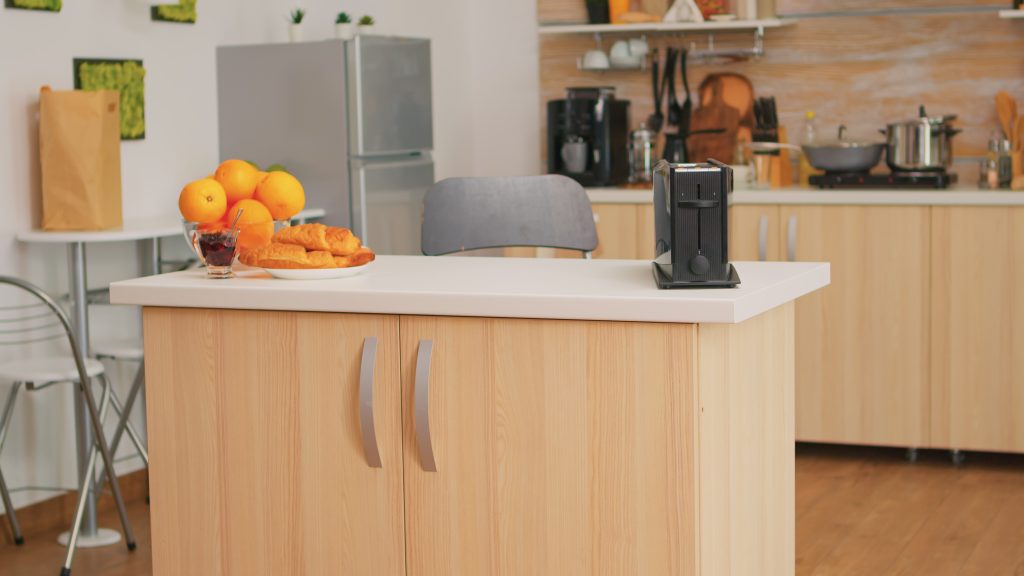
Can countertops help create more usable space?
Yes, countertops can help create more usable space when they are planned with the cabinet layout. Granite, quartz, marble, and quartzite all need stable support, but they also shape how the kitchen is used.
A wider prep area near the stove can reduce clutter. An island with storage below can become a landing zone for homework, serving, snacks, and baking. A clear counter near the coffee maker can keep mugs, filters, and supplies organized in nearby cabinets.
| Countertop Material | Best Use With Storage Planning | Practical Note |
|---|---|---|
| Granite | Busy cooking zones and islands | Strong heat resistance |
| Quartz | Low-maintenance family kitchens | Easy daily cleaning |
| Marble | Baking or elegant design areas | Needs careful use |
| Quartzite | Statement islands | Strong natural stone look |
Backsplashes matter too. A full-height backsplash, tile layout, outlets, appliance garages, and under-cabinet lighting should be planned before installation. Storage, counters, and backsplash design should work as one system.
How much does a storage-focused cabinet project cost?
A storage-focused cabinet project can start around $300 per linear foot for basic cabinetry, but the final price depends on materials, layout, drawers, pullouts, pantry systems, hardware, installation, and countertop coordination. More storage features usually increase the budget, but they can make the kitchen much easier to use.
| Project Item | Typical Starting Range | What Affects Cost |
|---|---|---|
| Basic cabinetry | From about $300 per linear foot | Standard boxes and simple shelves |
| Upgraded cabinetry | $450–$750+ per linear foot | Plywood, birch, soft-close hardware |
| Premium storage layouts | $700–$1,200+ per linear foot | Pullouts, pantry systems, specialty drawers |
| Cabinet installation | $2,000–$6,000+ | Removal, leveling, trim, kitchen size |
| Countertop fabrication/install | $45–$100+ per sq. ft. | Granite, quartz, marble, cutouts |
For custom cabinetry in Beavercreek, OH, Cincinnati Cabinets recommends spending more on storage features in the busiest zones first. A deep drawer beside the stove may be more useful than a decorative upgrade that does not change daily function.
How long does it take to add more kitchen storage?
A cabinet project usually takes about 3 to 5 weeks after approval, depending on materials, measurements, availability, delivery, and installation scheduling. More detailed storage systems can take longer if they require special ordering or layout changes.
Cabinets are usually installed before countertops. Once the base cabinets are level and secure, granite, quartz, or marble can be templated, fabricated, and installed. Backsplash work usually comes after the countertop is in place.
For custom cabinetry in Beavercreek, OH, Cincinnati Cabinets plans the sequence early so storage, countertop fabrication, backsplash work, and installation do not fight each other later.
What storage upgrades make the biggest difference?
The biggest difference usually comes from deep drawers, pullout trash storage, pantry rollouts, tray dividers, and better corner solutions. These upgrades improve how the kitchen works every day.
A good storage plan should reduce repeated frustration. If you reach for something daily, it should not be buried. If something is heavy, it should not be stored overhead. If something is used near the stove, sink, or dishwasher, it should live nearby.
Practical upgrades include:
- Deep drawers for pots and pans
- Pullout trash and recycling
- Tray dividers for baking sheets
- Rollout shelves for pantry items
- Drawer inserts for utensils
- Vertical storage for cutting boards
- Appliance storage near prep zones

FAQ: Adding kitchen storage without expanding the room
Can I add storage without changing the kitchen footprint?
Yes. Taller cabinets, drawers, pullouts, pantry inserts, and better zoning can add storage without expanding the room.
Are deep drawers better than shelves?
For daily-use items, yes. Deep drawers make pots, pans, dishes, and containers easier to see and reach.
What cabinet material is best for heavy storage?
Plywood cabinet boxes with strong drawer slides and birch components are practical choices for heavy kitchen storage.
How much do cabinets start at?
Basic cabinetry can start around $300 per linear foot. Final pricing depends on materials, layout, storage features, hardware, and installation.
How long does cabinet installation take?
Many cabinet projects take about 3 to 5 weeks after approval, depending on materials, scheduling, installation, countertops, and backsplash work.
Can an island add storage?
Yes. An island can add drawers, shelves, trash pullouts, seating storage, or appliance storage if the layout allows it.
Should countertops be planned with storage?
Yes. Granite, quartz, marble, and quartzite need stable cabinet support, and countertop work zones should match the storage below.
Where can homeowners near Beavercreek, OH get help with kitchen storage?
Cincinnati Cabinets is located near Cincinnati, OH and serves nearby communities, including Beavercreek, OH. We help homeowners plan custom cabinetry in Beavercreek, OH, compare plywood and birch construction, add drawers and pullouts, coordinate countertop fabrication, and match cabinets with granite, quartz, marble, and backsplashes. For homeowners considering custom cabinetry in Beavercreek, OH, our team can help create more storage without expanding the room.
Contact us to learn more or schedule a visit.
📞 (513) 599-1845
📍 4455 Muhlhauser Rd, West Chester Township, OH 45011